
Situation, Action, Outcome Tarot Spread: One Step You Can Try
Three cards can help you name what is happening, choose a response, and consider a possibility you can test.
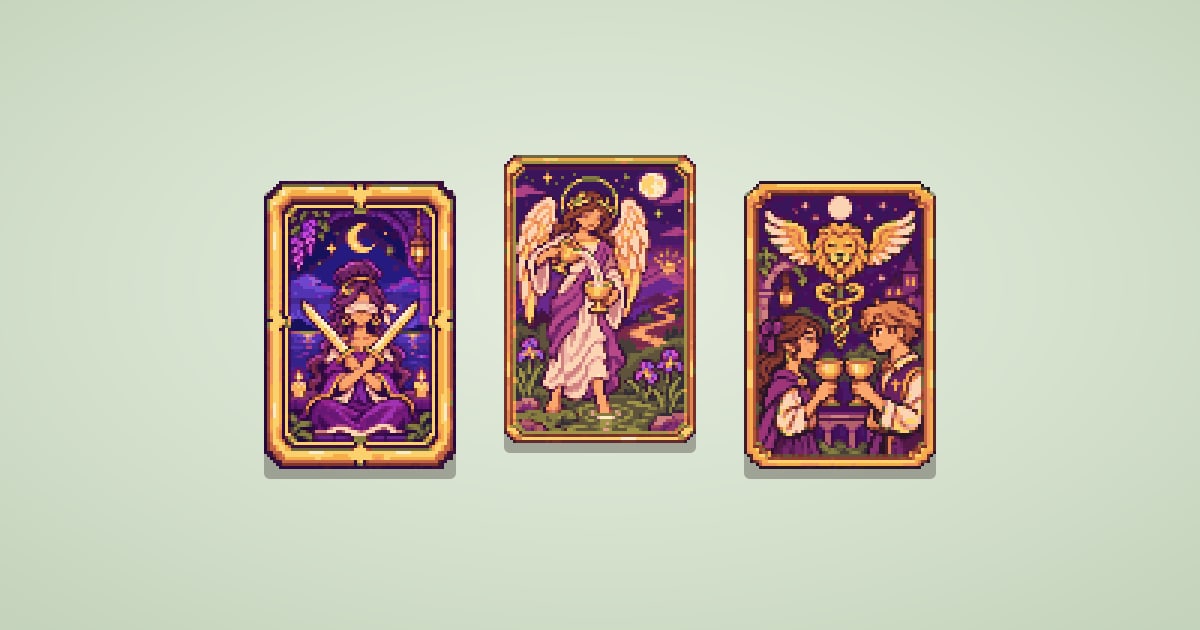
The situation action outcome tarot spread is useful when something needs your attention and you are unsure how to respond. Perhaps a conversation keeps getting postponed, a project has stalled, or a daily habit no longer fits. Three cards give you room to look at the problem without turning it into an overwhelming investigation.
The first card explores the situation. The second suggests an action to consider. The third asks where this action may lead if you take it. That last phrase matters: you are examining a possibility, with assumptions and limits, rather than receiving a promise about the future.
You do not have to act on the first interpretation that occurs to you. Tarot offers pictures for reflection. Your circumstances, values, and practical judgment help you decide what is worth trying.
Set out the three cards
Write a question before shuffling. Choose something specific enough to act on, such as how to address an overdue shared task. You can read every card upright while learning; decide that before you draw.
Deal three cards from left to right. Give each position its meaning in advance, so an appealing or uncomfortable picture does not tempt you to change the question halfway through.
 1Situation2Action3Outcome
| Position | Name | A reflective question |
|---|---|---|
| 1 | Situation | What aspect of the situation deserves my attention? |
| 2 | Action | What response within my control could I try? |
| 3 | Outcome | Where might this action lead if I take it? |
Situation: notice what is happening
Start with a visible detail in the picture, then ask what it brings into focus. A crowded scene might help you notice competing demands. A solitary figure might raise a question about whether you need quiet or support.
Keep your interpretation close to what you know. There is a difference between recognizing that you have avoided a conversation and declaring that someone else is deliberately withholding affection. The first is something you can examine; the second claims access to a mind the cards cannot read.
This position also has a limited scope. One card cannot explain every cause of a complicated problem. It can help you name one part that deserves a closer look.
Action: turn an idea into a behavior
The middle card asks for a response you can actually make. Translate a broad theme into a verb: ask, prepare, rest, clarify, decline, or practice. Then add a manageable detail.
For example, patience might become waiting until you have both eaten before raising a tense topic. Clarity might become writing down your request in one sentence. Neither requires another person to agree with you.
An action card can also suggest pausing. Resting, gathering missing information, and setting a boundary are choices, even when they look quieter than taking immediate initiative. Check whether your proposed action fits your available energy and responsibilities.
Outcome: explore a conditional possibility
Read the third card in connection with your interpretation of the second. Complete this sentence: If I try this response, one possibility to consider is...
Then name what that possibility depends on. A cooperative conversation requires another person's willingness. A calmer schedule requires enough room to change commitments. The card cannot establish that either condition will be present.
Ask what you could observe afterward. Did the conversation leave you clearer about your own boundary? Did the smaller task help you begin? These observations give you something to learn from, even when events take an unexpected direction.
How the action card changes the reading
In a past, present, future spread, the positions organize reflection around time: what shaped this, what is happening now, and where things may lead if nothing changes. That structure can help you recognize a pattern before deciding what to do.
Here, the middle position puts your response at the center. The final card explores the direction associated with that response. You are asking how a possible choice might interact with the situation.
This makes the action card worth lingering over. If you interpret it only as a mood, the spread can become vague. Turn "be confident" into something you could recognize yourself doing, such as asking for a clear deadline. Then reread the outcome with that specific action in mind.
If you want to investigate a difficulty before choosing a response, a situation obstacle advice tarot spread changes the emphasis: its middle card explores friction, and its last offers advice. Choose the position names before dealing, and keep them consistent throughout the reading.
Ask a question about something you can do
Open questions beginning with what or how give this layout room to work. Choose one situation and a decision small enough to address. You might ask:
- What can I do to restart the project I keep avoiding?
- How can I bring up the household task we have left unresolved?
- What approach could help me protect time for rest this week?
Avoid building a desired reaction into the question. "How can I make my sibling apologize?" gives you responsibility for another person's choice. "How can I explain what hurt me and ask for a different arrangement?" stays with your own words and requests.
Write down any relevant facts beside the question. Knowing that a deadline is tomorrow or that someone has requested space should influence your choices. A card does not cancel those facts. If phrasing questions feels difficult, the beginner's reading guide offers a broader starting point.
An invented reading about a difficult talk
When the outcome card feels hard
A difficult final card can make your stomach drop. Give yourself a moment before interpreting it. You do not need to keep drawing until the ending looks reassuring.
The Five of Cups, for instance, shows a cloaked figure near three overturned cups, while two remain upright behind the figure. In the outcome position, its themes of disappointment and loss can help you examine the possible emotional cost of the action you chose.
Ask whether your plan relies on receiving a particular response. Are you prepared for an incomplete answer? Would you need support afterward? The upright cups can prompt a separate question about what remains available, without requiring you to feel grateful before you have acknowledged hurt.
Treat this as information to consider about the chosen action, not fate. It might reveal a concern you already carry or an assumption worth revising. It is not evidence that a painful event is coming. You may adjust the action, postpone it for a practical reason, or decide the interpretation does not fit. None of those choices means you failed the reading.
A variation for comparing two options
Keep the situation card, then use two action cards to explore two clearly named options. This gives you three cards total: situation, action A, and action B. You are replacing the outcome position rather than quietly giving it another job after the draw.
Write both options beforehand, such as making a direct request now or arranging a later conversation. Read each action card as a question about how to carry out that option and what preparation it would need. Compare the practical demands without declaring either card the winner.
For a fuller comparison, use the decision spread. Actual information about timing, resources, and consent belongs alongside any symbolic interpretation.
You can begin with a free tarot reading, keeping one manageable question beside you, or use the tarot spread maker to build your own version. Let the reading end with one response you are willing to consider and enough room to change your mind as you learn.
Keep reading
-
 Tarot SpreadsThe Three-Card Tarot Spread: How to Read Past, Present, and FutureThree cards, read as one sentence instead of three definitions, with a full worked example.
-
 Self-DiscoveryHow to Start a Tarot Journal You'll Actually Want to KeepA five-line entry you can write in two minutes, how to spot the cards that keep coming back, and what to do when you read old pages.
-
 Tarot SpreadsA Monthly Tarot Spread for the Start of a New MonthFive cards that turn the first days of a month into a quiet check-in, with a question waiting for you at the end.