
The Sun and the Small Joys
On the happiest card in the deck, joy after a hard stretch, and why it is allowed to arrive before everything is fixed.
 The Sun · full meaning →
After a long hard stretch, joy can feel almost suspicious. The first afternoon you laugh properly again, or notice the light on the street and feel glad to be out in it, a small voice sometimes asks: are you allowed? Nothing is fixed yet. The loss is still a loss. The worry hasn't gone away. It can seem wrong, or careless, to feel good in the middle of it.
The tarot's answer is a picture of a child on a horse, laughing in the sunlight.
What the card shows
In the 1909 Rider-Waite-Smith design, an enormous sun with a calm face fills the top of the card, its rays alternating straight and wavy. Below it, a naked child rides a white horse with no saddle and no reins, arms flung out, a long red banner streaming from one hand. Behind them is a gray stone wall, and above the wall stand tall sunflowers, their faces turned not up at the sky but out toward the child.
Almost everything in it is about freedom. No saddle. No clothes. No bridle. The child isn't steering. The horse isn't being driven. They are simply out in the light together.
Leaving the walled garden
In his book on the deck, A. E. Waite gave the scene a lovely line. He wrote of a holy light that goes before "the endless procession of humanity, coming out from the walled garden of the sensitive life and passing on the journey home."
Look at the picture with that in mind. The wall is behind the child. The sunflowers grow on the other side of it. The child has ridden out of the enclosed, careful, protected place and into the open.
Hard times build walls, often for good reasons. We protect ourselves. We stay close to what is safe. We stop expecting much. The Sun doesn't ask you to tear the wall down. It suggests that at some point, perhaps for one afternoon, you might ride out past it, and that the light on the other side is real.
Direct light
The Sun comes right after The Moon in the Major Arcana, and Waite's wording for it echoes his description of the card before. The Moon gives reflected light: shapes are uncertain, fears grow, the path is hard to see. The Sun, he wrote, is "the direct as the antithesis of the reflected light".
That is what joy often feels like after a stretch of worry: not a change in circumstances, but a change in light. The same street, the same life, seen clearly for a moment instead of through the half-light of anxiety. Nothing outside has to change for that moment to be true.
Joy doesn't wait
One of the hardest things about grief and difficulty is the belief that happiness has to wait until everything is resolved. First the problem gets solved, then you get to feel good. But life rarely runs in that order, and the card doesn't either. The child in the picture isn't celebrating a finished project or a solved problem. The child is simply happy, out in the sun, right now.
Small joys during hard times are not a betrayal of the hard times. They are part of how people get through them. Laughing at a friend's joke a week after a funeral, enjoying a meal during a difficult month, feeling the warmth of the sun on a day of bad news: none of these mean the hard thing doesn't matter. They mean you are still here, and still able to receive something good.
When joy won't come
Sometimes the sun stays behind the wall for a long time. If weeks go by and nothing brings any pleasure at all, if everything feels flat and heavy, that can be a sign of depression rather than ordinary sadness, and it is worth talking to a doctor about. It isn't a failure of gratitude or effort. And if it has gone as far as not wanting to be here, reach out to someone today; the safety page can help you find a line in your country.
Sunflowers
The sunflowers on the card don't look up at the sun. They turn toward the child: toward life, not only toward light. It is a small, ordinary kind of wisdom, and it asks for nothing forced, only a turning toward what is warm and alive.
That may be all The Sun asks, on any given day. Not that you be happy, or grateful, or fine. Only that, when a little light arrives, you let yourself turn toward it.
Read the full meaning of The Sun. If you'd like company in the light, our essay on the Three of Cups and friendship is a good next read.
Keep reading
-
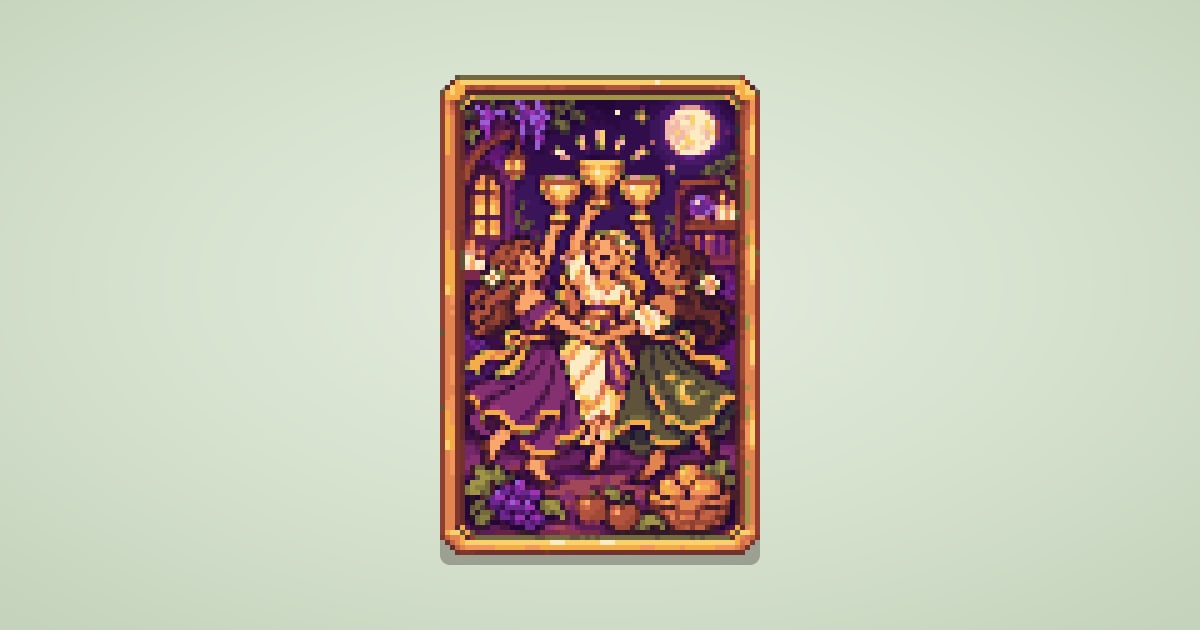 ReflectionsThe Three of Cups and the People Who Raise a Cup With YouOn the card of friendship, why Waite listed healing among its meanings, and the people who raise a cup with you.
-
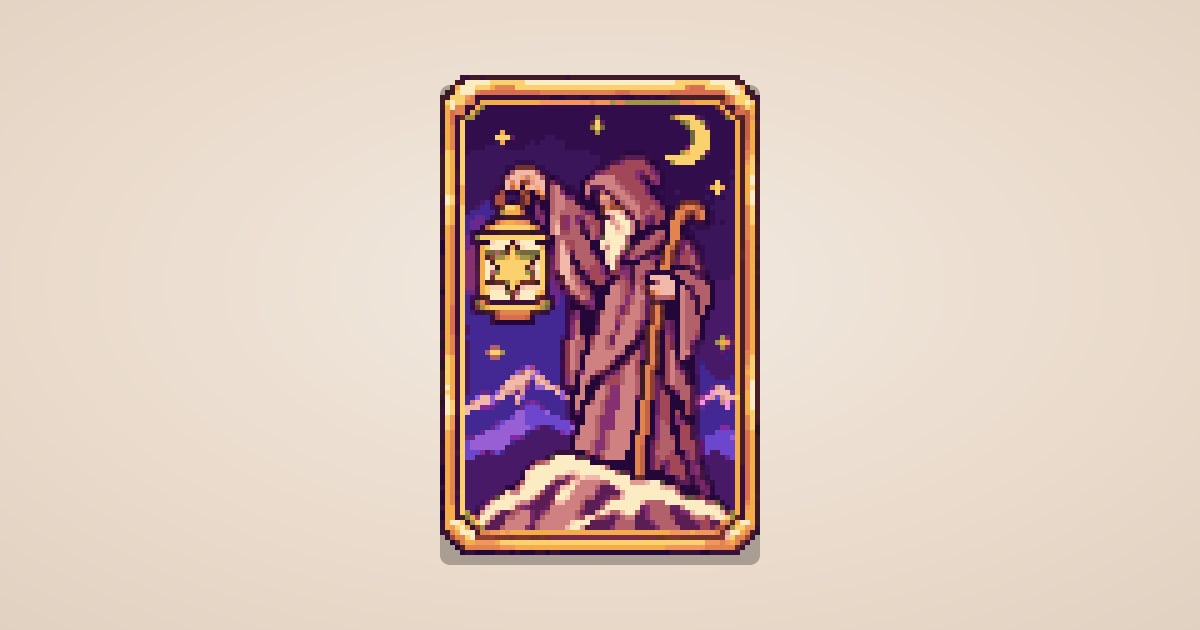 ReflectionsThe Hermit, Loneliness and SolitudeOn the card of being alone, the difference between the two kinds of alone, and the lantern that is held up for someone else.
-
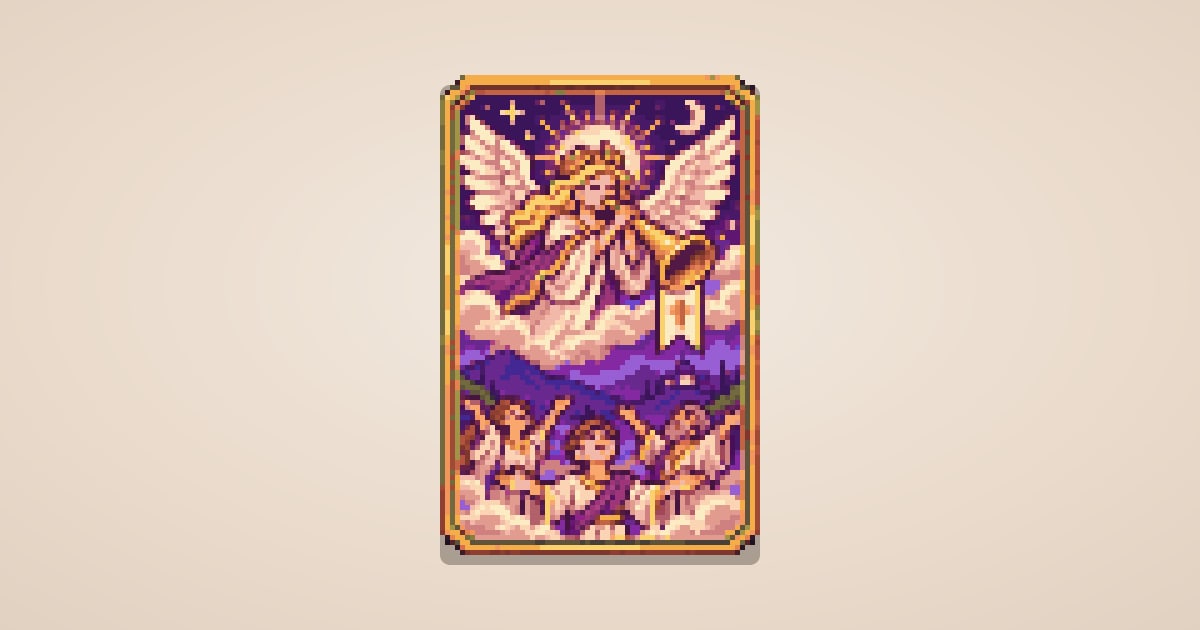 ReflectionsJudgement and Second Chances: Waking Up to Your Own LifeOn the card many people fear will condemn them, and why its picture looks less like a courtroom and more like a morning.