
The Ten of Swords and the Dawn Behind It
On one of the most painful pictures in the deck, the calm water beside it, and the yellow line on the horizon.
 Ten of Swords · full meaning →
The Ten of Swords is the card people flinch at. Even readers who aren't troubled by Death or The Tower tend to pause over it. A figure lies face down at the edge of the water, a red cloth over his body, and ten long swords stand upright in his back. The sky above him is black.
It is one of the most painful pictures in the deck. And it is one of the most hopeful.
The worst has already happened
In the suit of Swords, the cards run like a story about the mind and its troubles. The Three of Swords is heartbreak. The Five is a bitter argument. The Eight is feeling trapped. The Nine, the card just before this one, is the figure sitting up in bed at night, haunted by swords that never actually touch her. (We wrote about that card in The Nine of Swords and the 3 a.m. Mind.)
The Ten is different. Here the swords are not on the wall. They have landed. Whatever was feared has, in some way, actually happened.
That sounds like the worst possible message. But many people who have lived through an ending notice something strange about it: the moment the thing they dreaded finally happens is not always the worst moment. The worst was the waiting. The worst was the Nine. When the Ten arrives, the fear has nowhere left to go. It is over. You are on the ground, and the ground, at least, is solid.
What Waite said, and didn't say
A. E. Waite's description of the card is brief: "A prostrate figure, pierced by all the swords belonging to the card." His fortune-telling meanings are bleak: pain, affliction, tears, sadness, desolation. But he added one sentence that changes the feel of the card entirely:
It is not especially a card of violent death.
Even Waite, then, didn't want it read as a literal death. Most readers since have gone further and read it as an ending: a situation that has run all the way to its conclusion, with nothing left to fight for or fear.
The sky is changing
Now look at the top of the card again. The sky is black, but not all of it. Along the horizon, behind the distant hills, there is a band of yellow light. It is very likely dawn.
Below that, the water is completely still. After the storms and the struggles of the earlier Swords cards, the sea here is flat and calm. Nothing is moving. The battle, whatever it was, is finished.
This is the part of the card most worth remembering on the day you draw it, or the day you live it. Pictures of hitting bottom usually stop at the bottom. This one puts the sunrise in the same frame. The darkest part of the night and the first light are shown together, because that is how it can be: the end of one thing and the very start of the next can sit in the same moment.
Ten is the end of the count
In the Minor Arcana, the numbered cards run from Ace to Ten. Ten is the last number, the completion of the cycle. After the Ten of any suit, the count starts again with an Ace.
For the Ten of Swords, that is quietly hopeful. Swords are thoughts, words, truths, conflicts. The Ten says that, in the deck's logic, this particular round of them has run its course. What follows, in the logic of the deck, is a new Ace: one clear sword raised up out of a cloud, crowned, the card of a fresh, clear thought.
Lying still
There is one more thing about the figure on the card that is easy to miss. He is not fighting. He is lying still.
After a real loss, there is often a period like that, when there is nothing to do but lie there. Not literally, perhaps, but inwardly: no plans, no strength, no idea what's next. People sometimes treat this as a failure, a sign they ought to be "doing better". The card suggests something kinder. Lying still at the bottom is part of it. You don't have to get up before you can. The dawn will come up whether or not you are standing to watch it.
If it is more than a card
If you are at a bottom in your own life right now, a real one, please don't stay there alone. Tell someone you trust. If you are having thoughts of ending your life or hurting yourself, please reach a crisis line or emergency services today, right now if you can. Free, confidential help lines for many countries are on our safety page. No card in any deck is a reason to wait.
After the Ten
The Ten of Swords makes no promises about what comes next. It is a picture of the moment when something is finally, completely over, and of the light that is already on the horizon while you are still lying on the ground.
Read the full meaning of the Ten of Swords, or, if today is heavy, visit a card for a hard day. When you're ready to look up, The Star is waiting too.
Keep reading
-
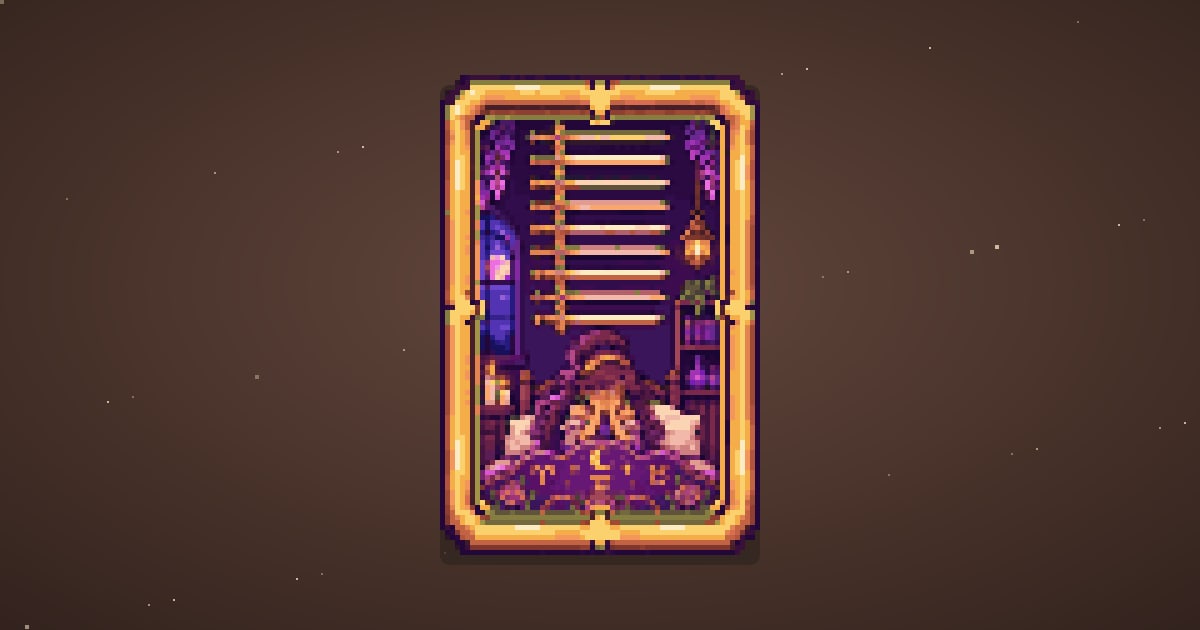 ReflectionsThe Nine of Swords and the 3 a.m. MindOn the card of sleepless nights, the swords that never touch her, and what to do with the thoughts that come in the dark.
-
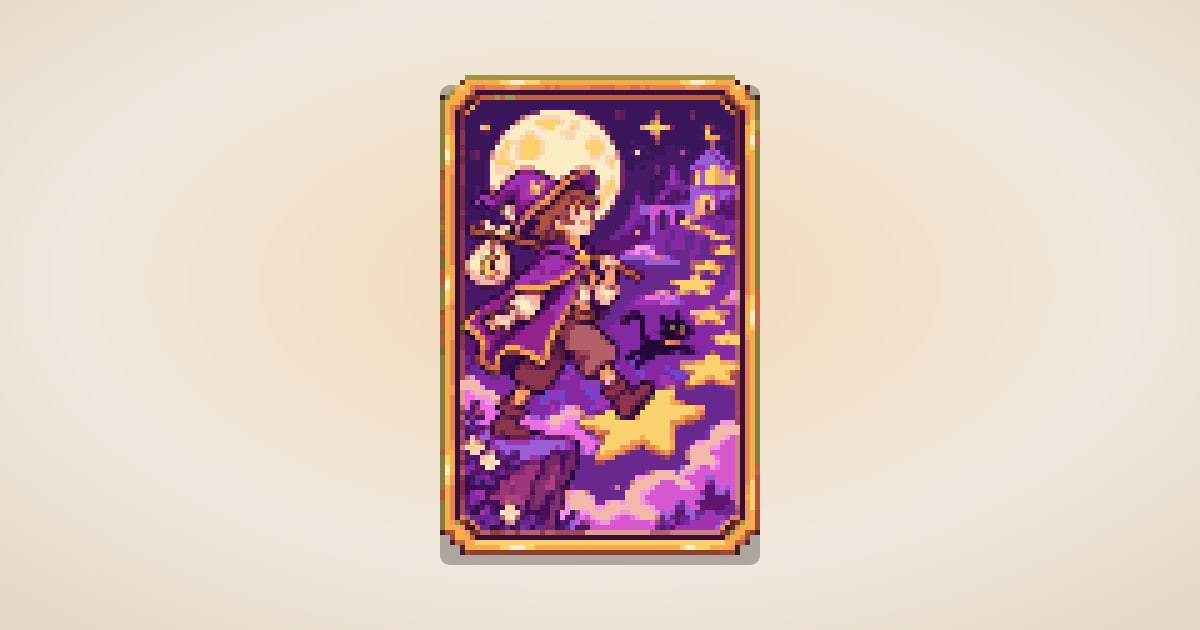 ReflectionsWhat The Fool Knows About Starting OverOn beginning again when you didn't choose to, and the card that steps toward the edge anyway.
-
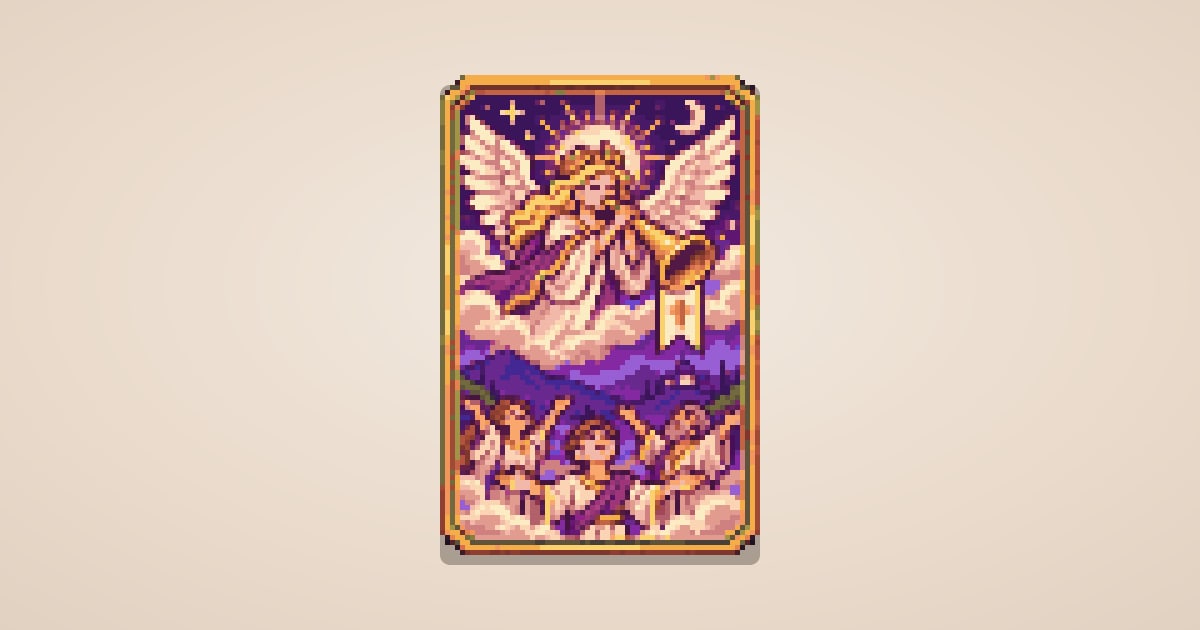 ReflectionsJudgement and Second Chances: Waking Up to Your Own LifeOn the card many people fear will condemn them, and why its picture looks less like a courtroom and more like a morning.