
The Three of Wands and Waiting for Your Ships to Come In
On the figure at the cliff's edge, the ships already sailing, and how to stand well while something you launched is still out on the water.
 Three of Wands · full meaning →
Most guides read the Three of Wands as a card of good things on the horizon. Your ships are coming in, they say: expansion, opportunity, success on its way across the water. Draw it and you can expect a reply, an offer, a return.
We think that reading gets the picture backwards, and promises something no card can promise.
What the usual reading leaves out
Start with what is drawn. A figure stands near the edge of a cliff with their back to us. Three tall wooden staves are planted in the ground around them, and one hand rests on one of them. Below, the sea spreads out in warm gold, and ships are moving across it.
Waite describes the scene this way:
A calm, stately personage, with his back turned, looking from a cliff's edge at ships passing over the sea. Three staves are planted in the ground, and he leans slightly on one of them.
"Passing over the sea." Not arriving. Waite then reads the boats plainly: "those are his ships, bearing his merchandise, which are sailing over the sea." His merchandise, already on its way. Whatever they carry was chosen, packed and sent by the person on the cliff.
So the card is not about waiting for your luck to turn up. It is about the stretch after you have already acted, when the application is submitted, the boxes are taped shut and the truck has pulled away, or you have hugged someone at the departure gate and watched them walk through. The effort was yours. Now it is out of your hands, and your hands suddenly have nothing to do.
The card before it shows the earlier moment. On the Two of Wands, a figure stands on a castle roof holding a globe, the whole world in one palm, still deciding. The Three has moved past that. And nowhere in the picture is there a date, a harbor or a ship turning toward shore. A reading that promises a return is adding something the card does not show.
The discomfort of having already sent it
Read our way, the Three of Wands is less a forecast than a description of a hard kind of waiting. While you are working, effort keeps worry busy. Once the work has sailed, worry has nowhere to go, and it often turns into checking, replaying, and privately rewriting things you would change if you could call the ships back.
The figure on the cliff doesn't call them back. They are past calling distance anyway.
Look at the posture instead. Calm is the first word Waite chose. Not anxious, not triumphant. And the lean is slight. The figure is not collapsing onto the staff or clinging to it for balance. It is how someone stands who has been there a while and expects to be there a while longer, with a little weight resting on something solid they planted themselves.
The card never shows the face, either. We stand behind the figure, looking past their shoulder at the same water. You are asked to share the view, not to study a person's reaction to it.
Compare this with the long wait of the Hanged Man, who hangs upside down and sees the world from a new angle. The figure in the Three of Wands stands upright, on their own feet, looking where they chose to look. One waits in suspension, the other at a lookout.
Distance
Read for a life and not for a business, the sea on this card is often distance. A move to a new city, where the old life is the shore you sailed from. A love carried on across time zones, in calls at odd hours. Parents, children or old friends on another continent, so that caring for them happens mostly through a screen.
Distance can make every exchange feel like cargo. Each call has to carry the news, the reassurance, the love, the whole week. The ships on this card are tiny next to the sea, and they cross it anyway, slowly. A bond across distance is made of many ordinary crossings far more than of one great arrival, so a photo of the view from your window or a note about what you had for lunch keeps a route open better than saving everything for one big call.
The card cannot tell you what anyone on the other shore is feeling, or when anyone will come home. It shows someone who keeps looking toward the far side and who has not stopped living on their own side of the water.
Waite also gave the card a meaning of "able co-operation", and his image for it is a kind one: "as if the successful merchant prince were looking from his side towards yours with a view to help you." Waiting often feels solitary. It may be less solitary than it looks from the cliff.
What changes if you read it this way
If the Three of Wands means your ships are coming in, then drawing it starts a countdown, and every day without a reply feels like the card failing you. Read our way, nothing is owed to you by a date. The question shifts from "when will it arrive?" to "how do I want to stand while it is out there?"
That is a question you can answer. Find a long view now and then, a hill or a top floor or the end of a straight street, and let your eyes rest on the farthest thing in sight. Lean a little on the routines that bear some of your weight, a morning walk or a Sunday call. Let the ships be at sea.
The Star makes a good companion here, also at the border of land and water: in Waite's words, "Her left knee is on the land and her right foot upon the water." Neither picture gives a date. Both suggest that hope can last without one. If what you are facing is less a wait than a step you haven't quite taken yet, the essay on the Chariot and moving forward may keep you company, and the full meaning of the Three of Wands is here too.
Nobody on the cliff can say when, or whether, each ship will come back. The ground is under your feet, the staff is where you planted it, and the sea, for now, is gold.
Keep reading
-
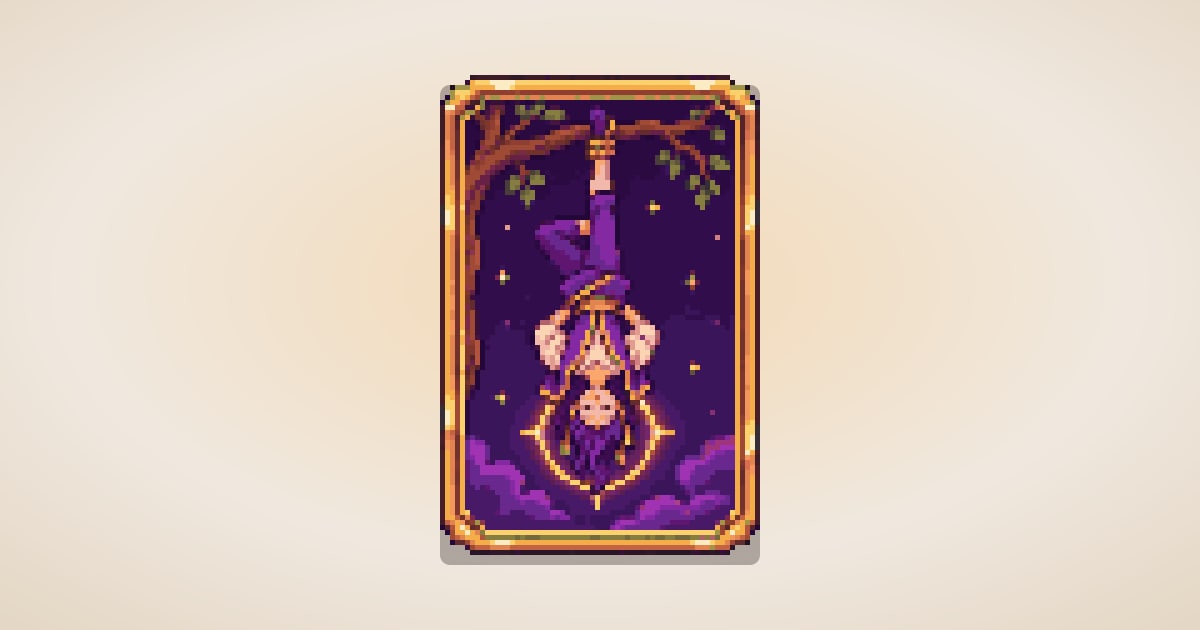 ReflectionsThe Hanged Man and the Long WaitOn the card of suspension, the face that stays calm upside down, and what a long pause can let us see.
-
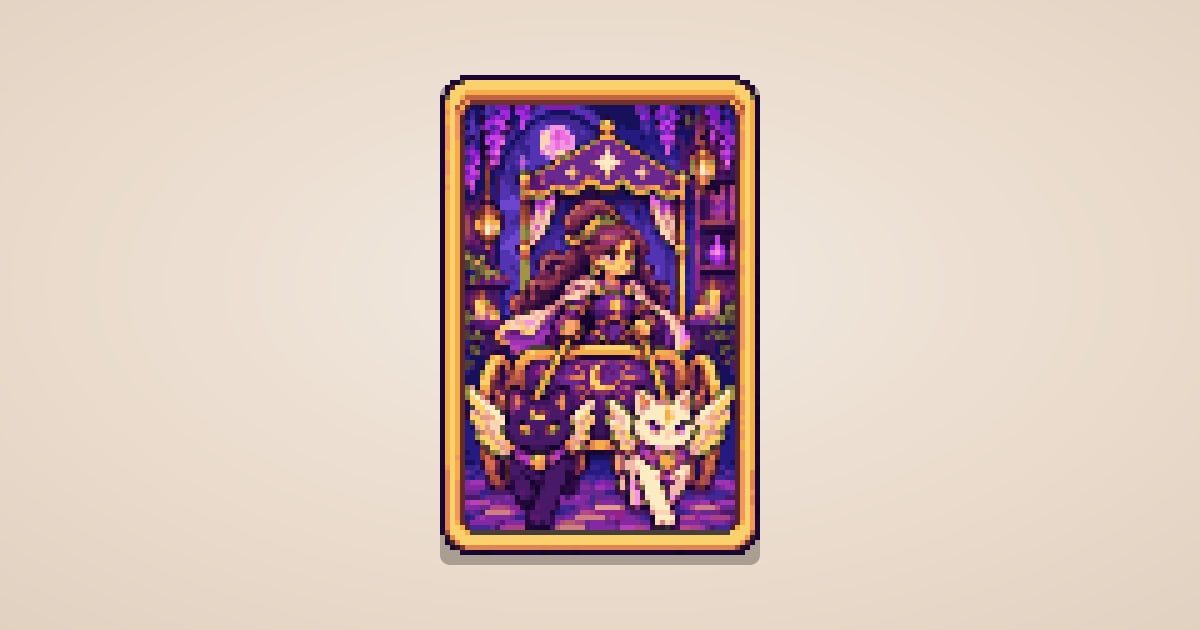 ReflectionsThe Chariot and Moving Forward When Part of You Wants to StayOn card VII, a driver who holds no reins, two sphinxes that will never match, and a calmer way to keep going.
-
 ReflectionsJudgement and Second Chances: Waking Up to Your Own LifeOn the card many people fear will condemn them, and why its picture looks less like a courtroom and more like a morning.